Nineteenth-century prospectors rarely struck gold on their first swing of the pick. Most spent years chasing rumors, following creek beds, and digging holes that led nowhere. Yet the mythology that grew around the few who did succeed - the sudden fortune pulled from a mountainside - has outlasted the actual mining industry that inspired it. That mythology now lives in a different form: slot game design, where the tension of the search and the payoff of the strike get compressed into a few spins.
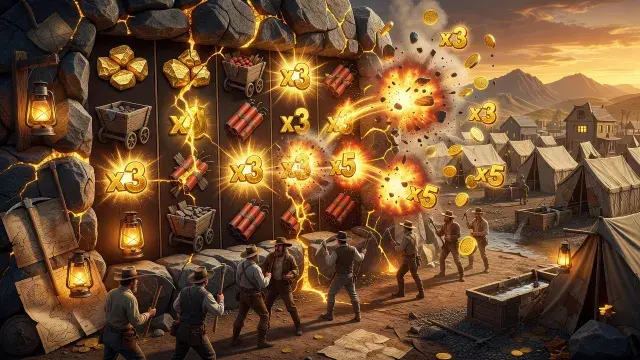
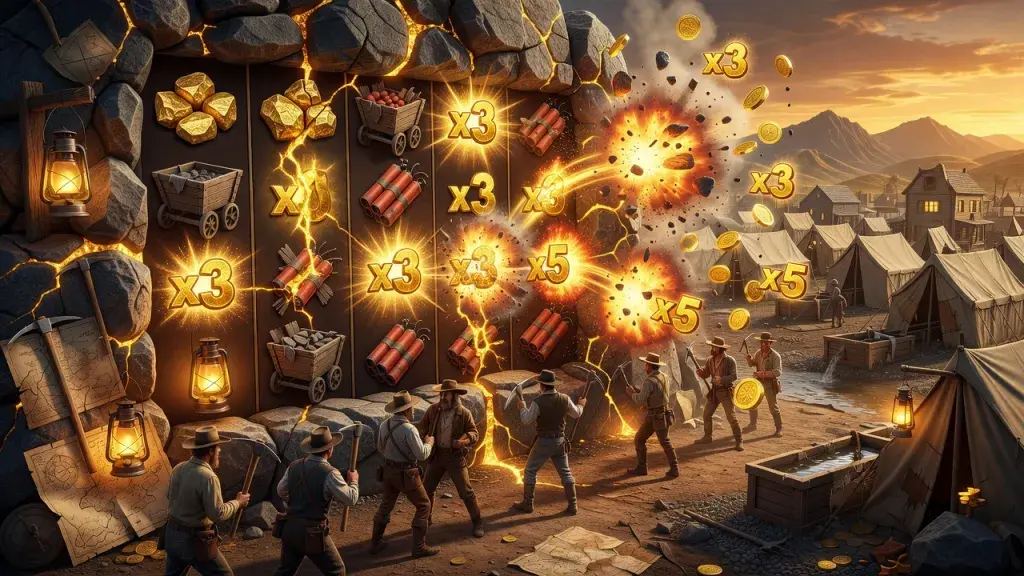
Dynamite riches taps directly into that inheritance. The game borrows the visual language of the gold rush era - pickaxes, wooden mine carts, sticks of dynamite wedged into rock walls - and turns it into a mechanical system built around explosive, cascading wins. Anyone who has watched the reels detonate through a bonus round and tried the dynamite riches the mother lode demo can see how deliberately the design echoes the boom-and-bust rhythm of actual prospecting: long stretches of ordinary spins punctuated by sudden, disproportionate rewards. That rhythm is not accidental. It mirrors how real mining operations were financed and remembered, where a single vein could pay for years of fruitless digging.
This piece looks at why that historical framework works so well as a game structure, how the mechanics translate mining risk into playable form, and what the gold rush story still teaches about the appeal of chasing underground wealth.
The Historical Roots of Gold Rush Fever
Gold rushes were never purely economic events. They were social phenomena that rewired towns, migration patterns, and personal ambition almost overnight. The California rush of 1848 pulled in people from every occupation imaginable - farmers, clerks, sailors - because the promise of a mother lode did not require expertise, only luck and endurance. That democratization of opportunity is central to why the imagery still resonates. It suggested that anyone, regardless of background, could walk away wealthy.
From Nugget to National Myth
Word of a single large nugget could empty a town within days. Newspapers exaggerated finds, letters home inflated numbers further, and by the time the story reached the next region it had become nearly unrecognizable from the original event. This chain of exaggeration is part of what built the enduring mythology - not the average outcome, which was usually disappointing, but the outlier story that everyone remembered.
Why the Imagery Still Resonates Today
Pickaxes, sluice boxes, and dynamite blasts remain instantly recognizable symbols of risk and reward. They require no explanation. A modern audience understands the stakes of a gold rush story without needing historical context, which makes the theme portable across mediums, from film to tabletop games to digital slots.
Boom Towns and the Psychology of Risk
Boom towns sprang up around rumored strikes and often collapsed just as fast once the gold ran out. That volatility created a psychological pattern still recognizable today: high engagement during uncertain outcomes, followed by rapid disengagement once the excitement fades. Game designers studying player retention did not invent this pattern - they inherited it from mining camps.
What Makes Dynamite Riches a Modern Mining Treasure Hunt
Dynamite riches does not simply borrow gold rush aesthetics for decoration. The entire structure of the game is built around the idea of digging through layers to reach something valuable underneath, which is a fairly literal translation of mining treasure into a symbol-matching format.
Reel Design as a Digging Metaphor
The reels function like exposed rock faces. Each spin represents another strike of the pickaxe, and the explosive symbol clears matched icons the way dynamite clears debris from a tunnel. This is not a passive slot experience; it is framed as active excavation, spin after spin.
Symbol Choices and Their Narrative Function
Common symbols include gold nuggets, mine carts, lanterns, and dynamite sticks, each reinforcing the setting without needing text explanation. The symbols carry weight because they map directly onto real tools and objects used during actual gold rushes, which gives the visual theme a grounded, believable quality rather than a purely fantastical one.
The Role of Explosive Bonus Mechanics
The defining feature of the game is its use of chain-reaction explosions, where one blast can trigger another, clearing multiple sections of the board in sequence. This mirrors how a single vein discovery could lead miners to an entire network of underground wealth, one tunnel branching into the next.
Exploring the Mother Lode Demo Experience
Before committing real stakes, most players want to understand pacing, volatility, and bonus frequency. This is where a demo version earns its value - not as a marketing gimmick but as a genuine trial run of the mechanics.
What a Demo Reveals About Volatility
Running extended sessions in demo mode shows how often the explosive chains actually trigger and how large the payouts tend to be relative to the base bet. Volatility in mining-themed slots often runs high by design, since the entire appeal rests on rare, large strikes rather than frequent, small ones.
Comparing Demo Play to Real-Stakes Sessions
The core mechanics remain identical between demo and real-money play, but the psychological weight shifts considerably once actual currency is involved. A demo session lets a player learn the rhythm of the game - when bonus rounds tend to cluster, how the multiplier scales - without the pressure that changes decision-making under real stakes.
How to Read the Paytable Before You Dig In
The paytable functions like a geological survey - it tells you where the value is concentrated before you start spinning. Understanding which symbols trigger the biggest chain reactions, and how the dynamite feature scales with bet size, prevents the common mistake of judging a game purely on visual excitement rather than actual payout structure.
- Check the base symbol values first, since these determine the floor of your expected return
- Note how frequently bonus symbols appear across a set number of spins
- Look at maximum win multipliers to gauge the game's overall volatility ceiling
Mining Treasure Symbolism: From Pickaxes to Payouts
Every mining-themed slot relies on a visual shorthand that turns historical tools into instantly readable game elements. Understanding this shorthand helps explain why certain symbols carry more weight than others within the game's internal economy.
Why Dynamite Became the Central Symbol
Dynamite was the single technology that transformed mining from slow manual excavation into rapid, large-scale extraction. Its introduction in the 1860s allowed miners to reach deeper veins faster than ever before, which is precisely why it became the natural centerpiece for a game built around sudden, large-scale wins rather than gradual accumulation.
Gold Nuggets, Lanterns, and Mine Carts as Value Indicators
Each recurring symbol typically corresponds to a tier of payout, with nuggets and gold bars sitting at the top, tools and equipment in the middle, and standard playing-card symbols filling out the lower tiers. This hierarchy gives visual feedback instantly - a player recognizes value before even checking the exact payout figure.
The Wild Card as the Discovery Moment
Wild symbols in mining-themed games often represent the literal moment of discovery - a glowing nugget breaking through rock, or a sudden explosion revealing hidden treasure. This design choice reinforces the emotional payoff of the gold rush story: the instant when searching becomes finding.
The Psychology Behind Chasing Underground Wealth
The appeal of digging for buried fortune runs deeper than simple greed. It taps into a specific kind of motivation that behavioral researchers have long studied in the context of variable rewards.
Variable Reward Schedules and Player Engagement
Unpredictable, intermittent rewards generate stronger engagement than fixed, predictable ones. This is the same principle that kept prospectors digging through unproductive claims for months at a time - the possibility of a strike, however rare, outweighed the accumulated evidence of failure.
The Emotional Pull of the "One Big Strike"
Most gold rush fortunes were modest or nonexistent, yet the stories that survive center on the rare massive strikes. This selective memory shapes expectations in games too: players remember the big chain-reaction win far more vividly than the dozens of ordinary spins that preceded it.
Risk Tolerance and the Gold Rush Mentality
Historical prospectors operated with wildly different risk tolerances, from cautious claim buyers to reckless speculators betting everything on a single dig site. That same spectrum shows up in how players approach betting strategy, with some favoring smaller, steadier wagers and others pushing for maximum volatility in pursuit of a single transformative win.
Lessons From the Gold Rush Story for Modern Game Design
The historical gold rush offers more than aesthetic inspiration. It provides a working template for how to structure risk, pacing, and reward in a way that keeps people engaged over long periods.
Pacing a Narrative Around Scarcity
Real gold rushes were defined by scarcity - most claims produced little, and the rare productive ones dictated the entire narrative arc of the era. Translating that scarcity into game pacing means calibrating how often big wins occur so they remain meaningful rather than routine.
Building Anticipation Through Incremental Discovery
Prospectors did not usually find a mother lode outright. They found smaller veins first, which hinted at larger deposits nearby. Games built on this same incremental structure - small wins signaling the possibility of a larger chain reaction - sustain attention more effectively than games that offer no build-up at all.
Balancing Historical Authenticity With Playability
Strict historical accuracy would make for a slow, frustrating game, since actual mining involved years of labor for uncertain returns. Good design borrows the imagery and emotional stakes of the era while compressing the timeline into something playable within minutes, preserving the feeling of a gold rush story without its real-world tedium.
Q&A
Is dynamite riches based on an actual historical event or region?
No specific gold rush location is depicted. The game draws on general imagery and themes from the broader nineteenth-century mining era rather than referencing one particular strike or town.
What is the practical benefit of trying the demo before playing with real money?
The demo lets you observe how often the explosive bonus chains trigger and how the multiplier scales without risking actual funds. This helps you decide whether the volatility level matches your preferred playing style before committing a real bankroll.
Why do mining-themed slots tend to favor high volatility over steady, frequent wins?
The entire emotional appeal of the theme rests on the idea of a rare, transformative strike rather than steady accumulation. High volatility mirrors the actual historical pattern of mining, where most effort produced little but the occasional discovery paid off enormously.
Does understanding the paytable actually improve results, or is it just informational?
It won't change the underlying odds, but it changes your betting decisions. Knowing which symbols trigger the largest chain reactions helps you judge whether a session's pacing matches what the paytable suggests is likely, which supports more informed bankroll management.
Why does dynamite specifically, rather than other mining tools, dominate the game's branding?
Dynamite represents the single innovation that turned slow manual digging into fast, large-scale extraction. That association with sudden, dramatic results makes it the natural visual and mechanical centerpiece for a game built around chain-reaction payouts.
Are the chain-reaction explosions purely visual, or do they affect payout structure?
They directly affect payout structure. Each triggered explosion clears matched symbols and can cascade into further matches, meaning a single spin can produce multiple consecutive wins rather than just one static outcome.